How to Choose the Right Floor Plan for Your Family
Expert guidance on selecting the perfect floor plan for your family's needs. Learn how to evaluate layouts, room sizes, and flow to find your ideal home design.
How to Choose the Right Floor Plan for Your Family
Selecting the right floor plan ranks among the most important decisions in the home-buying process. Unlike paint colors or furniture, which can be changed relatively easily, your home's layout affects daily life for years to come. The perfect floor plan supports your family's lifestyle, accommodates your routines, and adapts to future needs. This comprehensive guide walks you through the floor plan selection process, helping you identify the layout that best serves your family.
Understanding Your Family's Needs
Before touring model homes or reviewing floor plans, assess your family's specific requirements:
Current Household Composition
- How many people live in your home? Include children, adults, and any extended family members.
- What are their ages? Young children need different spaces than teenagers or elderly parents.
- Do you have pets? Large dogs may need mudrooms or easy backyard access.
- How long do you plan to stay? Starter homes have different requirements than forever homes.
Lifestyle Considerations
- Work arrangements: Do you work from home? Need a dedicated office?
- Entertainment style: Formal dinner parties or casual gatherings?
- Hobbies: Crafting, woodworking, gaming, or other space-intensive activities?
- Storage needs: Extensive wardrobe, sports equipment, holiday decorations?
- Cooking habits: Gourmet cook needing professional kitchen or minimal cooking?
Future Planning
- Family growth: Planning more children?
- Aging parents: May need first-floor bedroom and bathroom?
- Boomerang kids: Adult children who may return home temporarily?
- Resale considerations: Features that appeal to future buyers?
Answering these questions honestly creates a foundation for floor plan evaluation.
One-Story vs. Two-Story Homes
The first major decision is whether to choose a single-level or multi-level home.
One-Story (Ranch) Advantages
Accessibility: No stairs makes daily life easier for young children, elderly residents, and those with mobility challenges. Moving furniture, groceries, and laundry requires less effort.
Safety: Eliminates fall risks associated with stairs, particularly important for toddlers and seniors.
Aging in place: Allows homeowners to remain in their homes as mobility decreases with age.
Maintenance: Easier roof access, gutter cleaning, and exterior maintenance without tall ladders.
Open feel: Single-level homes often feel more spacious with better flow between rooms.
Lower cooling costs: Heat rises, so single-story homes avoid second-floor heat buildup.
One-Story Disadvantages
Larger footprint: Requires more land, potentially increasing lot costs.
Privacy: All bedrooms on same level may reduce privacy, especially for teenagers or guests.
Views: Single-story homes miss elevated views available from second floors.
Noise: Sound travels more easily across single levels.
Cost per square foot: Often more expensive to build due to larger foundation and roof.
Two-Story Advantages
Smaller footprint: Fits on smaller lots, potentially reducing land costs.
Privacy: Separates sleeping areas from living spaces; master suites away from children's rooms.
Views: Second-floor rooms offer better views and natural light.
Defined spaces: Clear separation between public (downstairs) and private (upstairs) areas.
Cost efficiency: Less foundation and roof area reduces construction costs per square foot.
Yard space: Smaller footprint leaves more yard for outdoor activities.
Two-Story Disadvantages
Stairs: Daily stair climbing may be challenging for some family members; carrying laundry and groceries upstairs adds effort.
Noise: Footsteps and activity upstairs can disturb downstairs occupants.
Temperature regulation: Second floors tend to be warmer, increasing cooling costs.
Future limitations: May not accommodate aging in place if mobility decreases.
Maintenance: Exterior maintenance requires taller ladders and more effort.
Split-Level and Multi-Level Homes
Split-level designs offer compromises between one and two-story homes, with half-flights of stairs connecting levels. These work well on sloped lots but may present similar accessibility challenges as two-story homes.
Essential Room-by-Room Considerations
Entry and Foyer
First impressions matter. Evaluate:
- Size: Adequate space for greeting guests and removing coats/shoes?
- Closet: Coat closet near entry for guest convenience?
- Sightlines: What do guests see when entering? Direct view into living areas or private spaces?
- Mudroom: Separate mudroom for family entry with storage for shoes, coats, backpacks?
Living Room/Great Room
- Size: Large enough for your furniture and traffic flow?
- Layout: Rectangular rooms offer more furniture arrangement options than square rooms
- Focal points: Fireplace, built-ins, or large windows creating natural gathering spots?
- Connection to other spaces: Open to kitchen/dining or separated by walls?
- Natural light: Windows on multiple walls providing balanced lighting?
Kitchen
Layout types:
- Galley: Two parallel counters, efficient for small spaces but limited work area
- L-shaped: Counters on two adjacent walls, good for open concepts
- U-shaped: Counters on three walls, maximum storage and counter space
- Island: Central work surface, ideal for cooking and entertaining
- Peninsula: Connected island, separates kitchen from adjacent spaces
Key considerations:
- Work triangle: Distance between sink, stove, and refrigerator (ideal: 12-25 feet total)
- Counter space: Adequate prep areas near stove and sink?
- Storage: Enough cabinets and pantry for your needs?
- Seating: Island or peninsula with seating for casual meals?
- Appliance placement: Refrigerator near entry for easy unloading? Dishwasher near sink?
Dining Areas
- Formal vs. casual: Need separate dining room or just eat-in kitchen?
- Size: Accommodates your table size plus 36 inches clearance on all sides?
- Proximity to kitchen: Easy serving access?
- Flexibility: Can formal dining room serve other purposes (office, playroom)?
Master Bedroom
- Size: Fits your bed plus nightstands and dressers with walking space?
- Closet: Walk-in closet adequate for both partners' wardrobes?
- Bathroom: Ensuite bathroom with desired features (double vanity, separate tub/shower)?
- Location: Away from noisy areas (kitchen, laundry, children's rooms)?
- Natural light: Windows providing morning light or blackout-friendly?
Additional Bedrooms
- Number: Enough for current and future needs plus guests?
- Size: Large enough for beds, dressers, and study areas?
- Closets: Adequate storage in each room?
- Bathroom access: Shared bathroom conveniently located?
- Separation: Bedrooms clustered together or spread throughout home?
Bathrooms
- Count: General rule: 1 bathroom per bedroom plus half-bath for guests
- Master bath features: Double vanity? Separate tub and shower? Water closet?
- Hall bath: Accessible to bedrooms without crossing living spaces?
- Powder room: Half-bath near living areas for guests?
Home Office
- Dedicated room: Separate office with door for video calls and concentration?
- Location: Near entry for clients or tucked away for privacy?
- Size: Fits desk, filing, and storage?
- Natural light: Windows reducing eye strain?
- Flexibility: Can convert to bedroom if work arrangements change?
Laundry Room
- Location: Upstairs near bedrooms or downstairs near kitchen?
- Size: Room for washer, dryer, folding counter, and storage?
- Sink: Utility sink for hand-washing and cleaning?
- Access: Direct access to garage or outdoors?
Storage Spaces
- Garage: Fits vehicles plus storage? Workshop space?
- Attic: Accessible storage or finished bonus room?
- Basement: Finished or unfinished additional space?
- Closets: Linen closets, coat closets, pantry?
- Built-ins: Bookcases, window seats, mudroom cubbies?
Evaluating Floor Plan Flow
Good flow makes homes feel larger and function better:
Traffic Patterns
- Avoid walking through rooms: Hallways should connect spaces, not force traffic through living areas
- Multiple routes: Can you reach key areas (kitchen, bedrooms, bathrooms) via different paths?
- Bottlenecks: Are doorways and hallways wide enough for comfortable passage?
Room Relationships
- Kitchen-dining connection: Easy serving and clearing?
- Living-outdoor connection: Access to patio or deck from living areas?
- Bedroom-bathroom proximity: Bathrooms near bedrooms they serve?
- Noisy-quiet separation: Laundry, kitchen, and living areas away from bedrooms?
Privacy Considerations
- Master suite separation: Master bedroom away from other bedrooms?
- Guest privacy: Guest room with nearby bathroom, away from family bedrooms?
- Office location: Home office separate from family activity areas?
- Bathroom placement: Bathrooms not visible from living areas?
Room Size and Proportions
Square footage alone doesn't determine if a room works:
Measuring Tips
- Bring a tape measure: Verify room dimensions match your furniture
- Check ceiling heights: 9-foot ceilings feel more spacious than 8-foot
- Note door swings: Doors may block furniture placement
- Identify outlets and switches: May limit furniture arrangements
Furniture Planning
- Master bedroom: King bed needs 12x12 feet minimum, 13x15 feet comfortable
- Living room: Sectional sofa needs 12x15 feet minimum
- Dining room: Table for 6 needs 10x12 feet minimum
- Home office: Desk and filing needs 10x10 feet minimum
Create a floor plan sketch with furniture to scale before committing.
Natural Light and Windows
- Multiple exposures: Rooms with windows on two walls have better light and ventilation
- North-facing: Consistent, indirect light ideal for offices and living rooms
- South-facing: Maximum sunlight, great for living areas but may overheat
- East-facing: Morning sun in bedrooms and breakfast areas
- West-facing: Afternoon sun, can cause glare and heat
Open vs. Closed Floor Plans
Open Concept Advantages
- Spacious feel: Removes walls creating larger visual space
- Family connection: Parents can supervise children while cooking
- Entertainment: Hosts can interact with guests while preparing food
- Natural light: Light flows between spaces
- Flexibility: Furniture defines spaces rather than walls
Open Concept Disadvantages
- Noise: Sound travels throughout space
- Cooking smells: Spread to living areas
- Visual clutter: Kitchen mess visible from living areas
- Heating/cooling: Harder to control temperature in large spaces
- Privacy: Lack of separation for different activities
Broken-Plan Compromise
Partial walls, columns, or furniture arrangements create zones within open spaces, offering benefits of both approaches.
Special Considerations by Family Type
Young Families
- Open sightlines: See children from kitchen and living areas
- Playroom: Dedicated space for toys
- Storage: Ample closets and cabinets for baby gear
- Laundry location: Upstairs near bedrooms for convenience
- Mudroom: Entry space for strollers, diaper bags, shoes
Families with Teenagers
- Bedroom separation: Teen bedrooms away from master for privacy
- Bonus room: Hangout space separate from main living areas
- Multiple bathrooms: Reduce morning conflicts
- Study spaces: Quiet areas for homework
- Separate entry: Teens can come/go without disturbing family
Empty Nesters
- Single-story: Eliminate stairs for aging in place
- Master on main: First-floor master bedroom
- Smaller footprint: Less maintenance and cleaning
- Guest accommodations: Bedroom and bath for visiting family
- Hobby spaces: Craft room, workshop, or studio
Multi-Generational Families
- First-floor bedroom suite: For elderly parents
- Separate living area: In-law suite with kitchenette
- Multiple master suites: Two primary bedrooms
- Accessible bathroom: Walk-in shower, grab bars
- Private entrance: Separate entry for independence
Baker's Creek Floor Plan Options
Baker's Creek offers floor plans designed for diverse family needs:
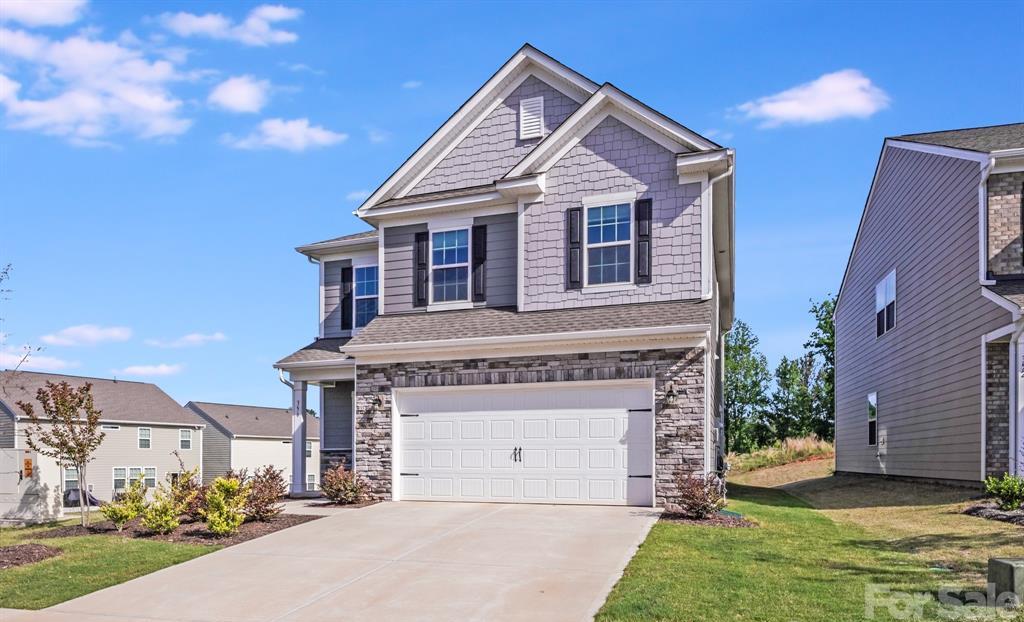
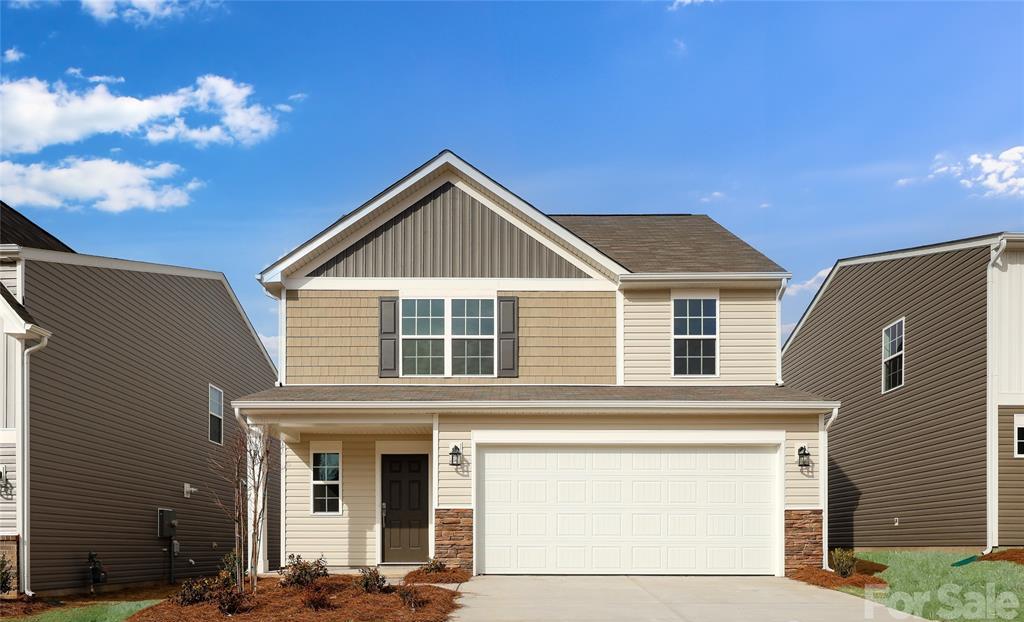
Dream Modern Collection: Two-story homes (1,956+ sq ft) with 4-5 bedrooms, ideal for growing families. Features include:
- Open-concept living
- Gourmet kitchens with islands
- Master suites with walk-in closets
- Bonus rooms for flex space
- 2-car garages
Dream Heritage Collection: One and two-story homes (1,256+ sq ft) with 3-4 bedrooms, perfect for first-time buyers and downsizers. Features include:
- Efficient layouts
- Modern kitchens
- Master bedroom main-floor options
- Covered front porches
- Smart storage solutions
Tour our model homes to experience different layouts firsthand. Our team can help you visualize furniture placement and daily routines in each floor plan.
Making Your Decision
Tour Multiple Times
Visit model homes at different times of day to assess natural light and imagine daily routines. Bring family members to gather everyone's input.
Walk Through Your Day
Mentally walk through a typical day: morning routine, meal preparation, work-from-home, evening relaxation, bedtime. Does the floor plan support these activities?
Consider Resale
Popular features (3+ bedrooms, 2+ bathrooms, open kitchen) appeal to future buyers even if not critical to you.
Trust Your Instincts
If a floor plan feels wrong despite checking all boxes, keep looking. You'll know the right layout when you find it.
Conclusion
Choosing the right floor plan requires balancing current needs, future plans, lifestyle preferences, and practical considerations. Take time to thoroughly evaluate options, tour model homes multiple times, and visualize your family's daily life in each layout. The perfect floor plan supports your routines, accommodates your belongings, and adapts to life changes.
Visit Baker's Creek to explore our diverse floor plan options and find the layout that fits your family perfectly. Our experienced team can answer questions, provide detailed floor plans, and help you envision your life in each home. Call 704-746-3566 or visit our Welcome Home Center to start your floor plan journey today.
Ready to Take the Next Step?
You've learned about what makes Baker's Creek special—now it's time to experience it yourself. Our team is ready to help you find the perfect home that fits your budget, lifestyle, and long-term goals.
When you schedule your free consultation, you'll receive:
- Personalized floor plan recommendations based on your family's needs
- Current pricing and available inventory for your preferred collection
- Detailed breakdown of monthly costs (mortgage, taxes, HOA, insurance)
- Information about financing options and first-time buyer programs
- Answers to all your questions about the homebuying process
Prefer to reach out directly?
- Call or text: 704-746-3566 [blocked]
- Explore: View Floor Plans [blocked] | See Amenities [blocked]
No pressure, no obligation—just honest guidance from local experts who know Kannapolis inside and out.
TAGS
About the Author
Sir Ashley Harrison is a New Home Specialist at Baker's Creek, specializing in new home sales in Kannapolis, NC. With deep local knowledge and commitment to client success, Sir helps families find their perfect home in the Charlotte metro area.
Contact Sir